Precision Trolling Data
- 3.6
- Rating
- 100.00K
- Installs
- Free
- Price
 Analysis by App-foxy
If you fish by trolling and want a more deliberate way to choose depth, line setup, and lure presentation, Precision Trolling Data is the kind of sports app worth examining. I found its appeal quite different from a general fishing forecast or a simple logbook: it is built around reference information that helps turn a guess into a repeatable plan. The app is free to install, carries an Everyone age rating, and comes from Precision Trolling Data App.
The first thing I would tell a friend is to set the right expectation. This is not a magic “catch fish now” button, and it is not a replacement for knowing the water, reading conditions, or adjusting when fish refuse to cooperate. Its value is in giving a troller a practical starting point. Instead of changing several variables at once, I can use the information as a baseline, make one controlled adjustment, and learn from what happens next.
The app has been available since May 29, 2014, and its current version is 7.1. It has passed 100K installs, with a 3.6 average from 476 ratings and 259 reviews. Those figures suggest a useful but not universally loved tool: enough anglers have made it part of their routine, while the middling score is a reminder that the experience depends heavily on whether its reference style matches the way you fish.
You May Also Like

 Blood Strike: 2.5 Anniversary
Blood Strike’s Loadouts Turn Every Drop Into a Tactical Gamble
A close look at Blood Strike’s custom loadouts: how fast access to signature weapons reshapes its battle royale rhythm, rewards preparation, and narrows the gap between fights.

 Pandora - Music & Podcasts
Pandora’s Music Is Easy to Start, but Harder to Recover
Pandora’s strength is its low-effort path from a seed to a station. Its weak spot is how much confidence it asks you to place in connection, setup, and quiet recovery.

 8 Ball Pool
 Is Built on Rivalries, Rematches, and Routine
A close look at the rivalries, rematches, shared routines, and unanswered safety questions that turn a quick pool match into a persistent mobile community.

 Samsung Music
’s Quiet Strength Is Playing What You Already Own
Its reach comes less from spectacle than from dependable access to a personal library. That simplicity is both the app’s strongest retention engine and its ceiling.

 AccuWeather: Weather Radar
AccuWeather Review: A Quick, Clear Forecast for Everyday Decisions
For everyday plans, the best forecast is the one you can understand quickly. AccuWeather makes rain timing, radar, and local conditions easy to act on, with a few trade-offs.

 Hill Climb Racing
Why Hill Climb Racing Still Turns Crashes Into One More Run
A tiny car, a bumpy hill and one more upgrade: Hill Climb Racing keeps resurfacing because its simple chaos makes every near-miss feel personal.
More From Our News Desk



What the app is really for
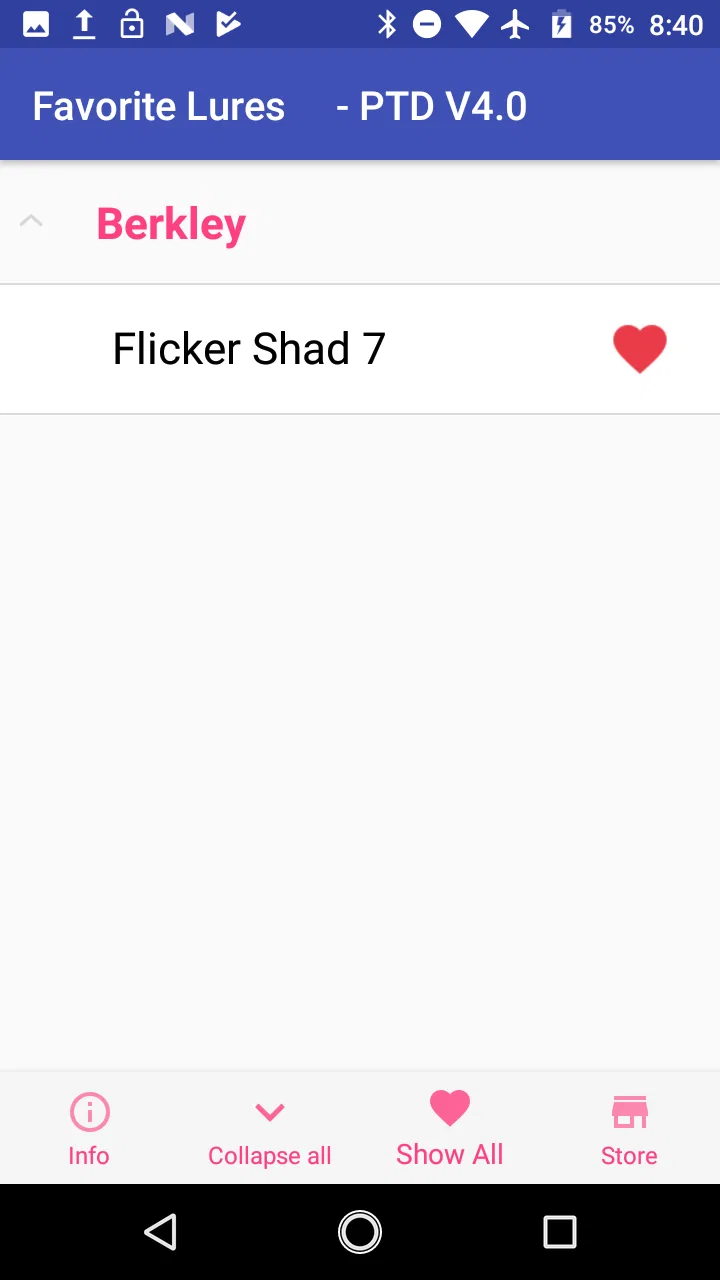
Precision Trolling Data is best understood as a digital reference companion for anglers who troll with purpose. The store summary calls it a “Troller’s Bible,” but I would not treat that phrase as a promise that it contains every answer for every boat and lure. A better interpretation is that the app tries to put specialized trolling guidance in a form you can consult while planning or fishing.
That distinction matters for beginners. Someone who mainly casts from shore, fishes with live bait, or wants tide charts and weather alerts may find a weather app, lake map, or fishing log more immediately useful. Someone who regularly pulls lures behind a moving boat has a clearer reason to open this one. The information is most valuable when you already understand basic trolling terms and want help making your presentation more consistent.
In everyday use, I would approach it before leaving home rather than waiting until the boat is bouncing in rough water. I would decide which target species and general trolling approach I am considering, review the relevant reference material, and make a short plan. That plan might be as simple as choosing an initial line length or deciding which setup to test first. The important habit is to begin with a documented reference point instead of relying on memory.
The strongest use of this app is controlled experimentation, not blind obedience. Water clarity, current, boat speed, lure action, line type, hardware, and fish behavior can all change the result. The app can help organize the starting point, but the lake still gets the final word.
Who will get the most from it
I see the best match in anglers who troll often enough to notice patterns. If you have several rods, rotate through different presentations, or frequently wonder why a lure is running differently from the last trip, a dedicated reference tool can save time. It may also help a newer troller understand that depth is not simply a matter of letting out more line; the whole setup influences where the lure travels.
It is also useful for the angler who fishes with a partner and wants a shared language. Instead of saying “try a little deeper,” you can discuss the setup you are using, the change you made, and whether the next rod should copy it. That makes a productive pattern easier to repeat and a poor pattern easier to diagnose.
I would be more cautious if you expect a polished entertainment app, a social fishing community, or a complete digital tackle box. This is a specialized sports reference app. Its appeal comes from focused information, not from distracting extras. If your fishing is mostly casual casting, the learning curve may feel like work without paying you back very often.
Getting started without overcomplicating the first trip
Installation is straightforward in the practical sense: the app is free, works on devices running Android 5.0 or later, and is suitable for Everyone. The free entry point makes it easy to inspect the app before committing to a regular workflow. There are in-app purchases ranging from $0.99 to $109.99 per item, so I would pay attention to what is included at no cost and what requires an additional purchase before building the app into your routine.
That pricing range is especially important for a first-time user. I would not assume that every reference section is unlocked simply because the app itself is free. I would first open the available material, identify the information I actually need, and only then consider whether an optional purchase solves a real problem for my fishing. A large purchase is hard to justify if I have not yet used the basic workflow on the water.
My preferred setup would happen in three stages. First, I would browse calmly at home and learn how the information is arranged. Second, I would select one fishing situation rather than trying to absorb the entire library. Third, I would write down or remember one starting setup and one planned adjustment. This keeps the first outing manageable and prevents the app from becoming a source of decision overload.
For example, imagine I am preparing for a morning of trolling and have two lure choices in mind. Rather than opening the app repeatedly and changing plans every few minutes, I would use it to establish a first presentation, record the conditions mentally, and give that approach a fair test. If it produces no response, I would change one meaningful factor. That process is more useful than jumping between settings without knowing which change mattered.
How to turn reference information into a first successful action
The first meaningful success with this app is not necessarily catching a fish immediately. It is making a clear, repeatable decision: choosing a setup from the reference material, applying it on the boat, and knowing what you will change if it does not work. That may sound modest, but it is exactly the kind of discipline that improves trolling over time.
I would begin with equipment I already trust. Using an unfamiliar lure, unfamiliar line, and unfamiliar technique at the same time makes the app difficult to evaluate. If the result is poor, I would not know whether the reference information was unsuitable or whether my gear behaved differently from the assumed setup. A familiar lure gives the app a fairer test.
The next step is to avoid treating a reference value as a guaranteed measurement for your exact boat. Trolling conditions vary. A practical way to use the information is to treat it as a starting estimate, then watch what happens when you make a small change. If the lure begins producing signs of life, a strike, or a repeatable response, keep the rest of the setup stable long enough to learn from it.
This is where the app can be more useful than casual advice from a friend. Informal advice often leaves out the details that made the original result possible. A reference workflow encourages me to think about the complete presentation rather than copying only a lure name. Even when the result is not perfect, I leave the trip with a better record of what I tried.
A particularly useful habit is to create a simple mental “before and after” comparison. Before changing anything, identify the current setup. After changing one factor, ask whether the lure behavior, depth, or fish response changed. The app does not need to make that judgment for me; its job is to give me a more informed place to begin.
Where new users can become confused
The biggest possible misunderstanding is assuming that the app directly sees what is happening beneath your boat. A reference app cannot remove the uncertainty built into trolling. If your line, lure, speed, terminal hardware, or water conditions differ from the situation behind the reference, the result may differ too. I would use the information as guidance rather than as an automatic depth guarantee.
Another source of confusion is the difference between a useful starting point and a complete fishing plan. The app may help with the technical side of presenting a lure, but it does not replace decisions about location, weather, seasonal behavior, boat handling, or local regulations. A troller can follow a technically sensible setup in an unproductive area and still catch nothing. That does not automatically mean the reference was useless.
There is also a practical risk in trying to consult too much information while actively fishing. On a calm day, checking a reference can be easy. In wind, waves, or a busy boat, repeatedly handling a phone can distract from safe boat operation and from watching rods. I would do the detailed planning before launching and keep on-water checks brief. The app should support attention, not compete with it.
The in-app purchase structure may create another moment of hesitation. Because the app is free but offers items with a wide price range, a user should distinguish between exploring the product and buying a substantial package. I would look for a clear connection between the purchase and my actual fishing needs. If I only troll occasionally, the free material may be enough to decide whether the approach suits me. If I fish frequently and the references fit my equipment, a paid section could make more sense.
The 3.6 average rating also gives me a useful warning about expectations. I would not read it as proof that the app is poor, nor as evidence that every angler will enjoy it. Specialized tools often divide users because one person values dense reference material while another wants a simpler, more visual experience. Before judging it, I would ask whether I am comfortable learning from technical information instead of expecting the app to guide every tap.
Three practical habits that improve the experience
Start with one variable. If I change line length, lure, speed, and rod position together, the result teaches me almost nothing. I use the reference information to choose a starting point, then adjust one major factor at a time.
Use familiar equipment first. A known lure and rod setup make it easier to notice whether the app’s guidance improves my process. Testing several new pieces of gear at once creates too much noise.
Review before launch, not during a busy moment. I prefer to decide my first setup at home, keep the phone out of the way when operating the boat, and return to the app only when a safe pause allows it.
These habits are not flashy features, but they are where the app becomes genuinely useful. The reference material matters more when I use it to reduce random changes. It also helps me separate a bad location from a bad presentation, which is one of the hardest judgments for a developing troller.
How it compares with ordinary alternatives
The usual alternatives each solve a different part of the fishing problem. A weather app tells me what conditions may be coming. A marine chart or mapping app helps me understand location and structure. A fishing log helps me remember what happened. A video or social platform may show technique in a more approachable way. Precision Trolling Data occupies a narrower space: it is most useful when I need specialized trolling reference information rather than broad trip planning.
That focus is its advantage and its limitation. Compared with a general fishing app, it may feel more relevant when the question is about presenting a lure from a moving boat. Compared with a video, it may be faster for checking a known reference once I understand the organization. Compared with a personal notebook, it can give me a starting framework instead of only storing my own past results.
On the other hand, a notebook may be better for recording the exact conditions on my local water. A charting app may be far more important when finding productive structure. A weather service may influence whether I should go at all. I would not replace those tools with this one. I would use it alongside them if trolling technique is the part of my process that needs the most structure.
For a complete beginner, a clear instructional video may be easier at first because it shows the physical action. Once I understand the basics, a reference app becomes more valuable because I can consult it without watching an entire explanation again. That makes the product a better second step for many new anglers than a complete first lesson.
A realistic day on the water
Suppose I am fishing with a friend who has more experience than I do. We have tried a familiar area before, but our results have been inconsistent. Before leaving, I use the app to choose a sensible first presentation instead of copying whatever rod was most recently successful. I explain to my friend what I am testing and keep the other rod setup unchanged.
Once we are moving, I pay attention to the boat and rods rather than staring at the screen. If the first approach does not produce a response, I make one planned adjustment. If the second approach performs better, I do not immediately change everything; I give it time and compare it with the unchanged rod. The app has helped create a small experiment rather than a frantic sequence of guesses.
At the end of the trip, even a fishless outing can produce useful information. I know which reference starting point I used, what I changed, and whether the conditions made the test fair. On the next trip, I can begin from that experience instead of starting over. That is the kind of practical progress I think this app is designed to encourage.
Who should skip it and who should keep it
I would skip this app if I want one-tap weather forecasts, a detailed map, a social feed, or a fully visual beginner course. I would also skip it if I rarely troll and have no interest in learning the technical relationship between equipment and presentation. In those cases, another fishing app—or even a good local guide—could deliver more immediate value.
I would keep it installed if trolling is a regular part of my fishing and I often struggle to repeat a successful setup. The free installation makes experimenting relatively low risk, while the specialized focus gives it a reason to exist beside broader fishing tools. The paid items deserve careful consideration, but the basic question is simple: does the reference material help me make better, more consistent decisions?
For a first-time user, I would judge the app after one planned outing, not after a hurried five-minute browse. Choose one familiar setup, use the information as a baseline, make only one deliberate change, and decide whether the process feels clearer. If it reduces guesswork, it is doing something valuable. If it feels like dense information without a place in your fishing routine, buying more content will not solve that mismatch.
My overall view is positive but specific. Precision Trolling Data is not a universal fishing companion, and it cannot promise that fish will cooperate. Its strength is helping a troller approach lure presentation with more structure and less random adjustment. The developer, Precision Trolling Data App, has built a focused tool for a real niche, and the long availability plus 100K-plus installs show that the niche is substantial.
For anglers who troll regularly, this is worth trying as a reference tool rather than treating it as an automatic fishing solution. I would install the free version, learn its organization at home, test it with familiar gear, and delay any larger in-app purchase until I had proved that its information fits my equipment and style. Used that way, it can become a practical part of preparation—quietly useful before the boat moves, and most valuable when it helps turn one good result into a repeatable method.
FAQs for Precision Trolling Data
01What is Precision Trolling Data, and what is it used for?
Precision Trolling Data is designed to help anglers plan and refine trolling presentations by providing reference information for lure depth, line length, speed, tackle, and related fishing conditions. After reviewing the app, its main value appears to be in organizing practical trolling data in one place, so users can make more informed adjustments on the water instead of relying entirely on memory or guesswork.
02Does Precision Trolling Data work without an internet connection?
Offline availability may depend on which data, charts, or resources have been loaded on the device and how the current version of the app handles its content. Before heading onto the water, it is sensible to open the information you expect to use and confirm that it remains accessible without mobile service. This is especially important for anglers fishing in remote areas with weak or unavailable connectivity.
03Is Precision Trolling Data suitable for beginners, or is it intended for experienced anglers?
The app can be useful for both beginners and experienced anglers, although each group may use it differently. New users can learn how trolling variables affect lure presentation, while experienced fishermen may use the data as a quick reference when changing depths, speeds, or equipment. Beginners should still treat the information as guidance and develop practical skills through local conditions and on-water testing.
04How accurate are the trolling depth and presentation recommendations?
The information should be viewed as a reference rather than a guarantee. Actual lure depth and action can change because of line type, lure design, trolling speed, water temperature, current, boat movement, rod position, and other equipment differences. Precision Trolling Data can help establish a useful starting point, but anglers should verify results with their own setup and adjust the presentation according to conditions.
05Is Precision Trolling Data free to download, and are there any additional costs?
The download price and available features can vary between Android and iOS, as well as between app versions or regional stores. Some content may be included with the initial installation, while other data, tools, or expanded resources could require an in-app purchase or subscription. Users should check the official store listing for the current pricing, supported devices, permissions, and purchase details before downloading.
Pros
- Provides detailed trolling data for more informed fishing decisions.
- Helps compare lure performance across different fishing conditions.
- Useful reference for anglers planning trips and testing new techniques.
- Presents specialized information in a focused
- fishing-oriented format.
- Can save time by organizing data that is difficult to research manually.
Cons
- Some data may be limited depending on the species or location selected.
- Beginners may need fishing knowledge to interpret the information correctly.
- Results may not always reflect changing weather or water conditions.
- The app’s usefulness depends on the accuracy and freshness of its data.
- Specialized content may offer little value to casual or non-trolling anglers.

Precision Trolling Data
Gallery